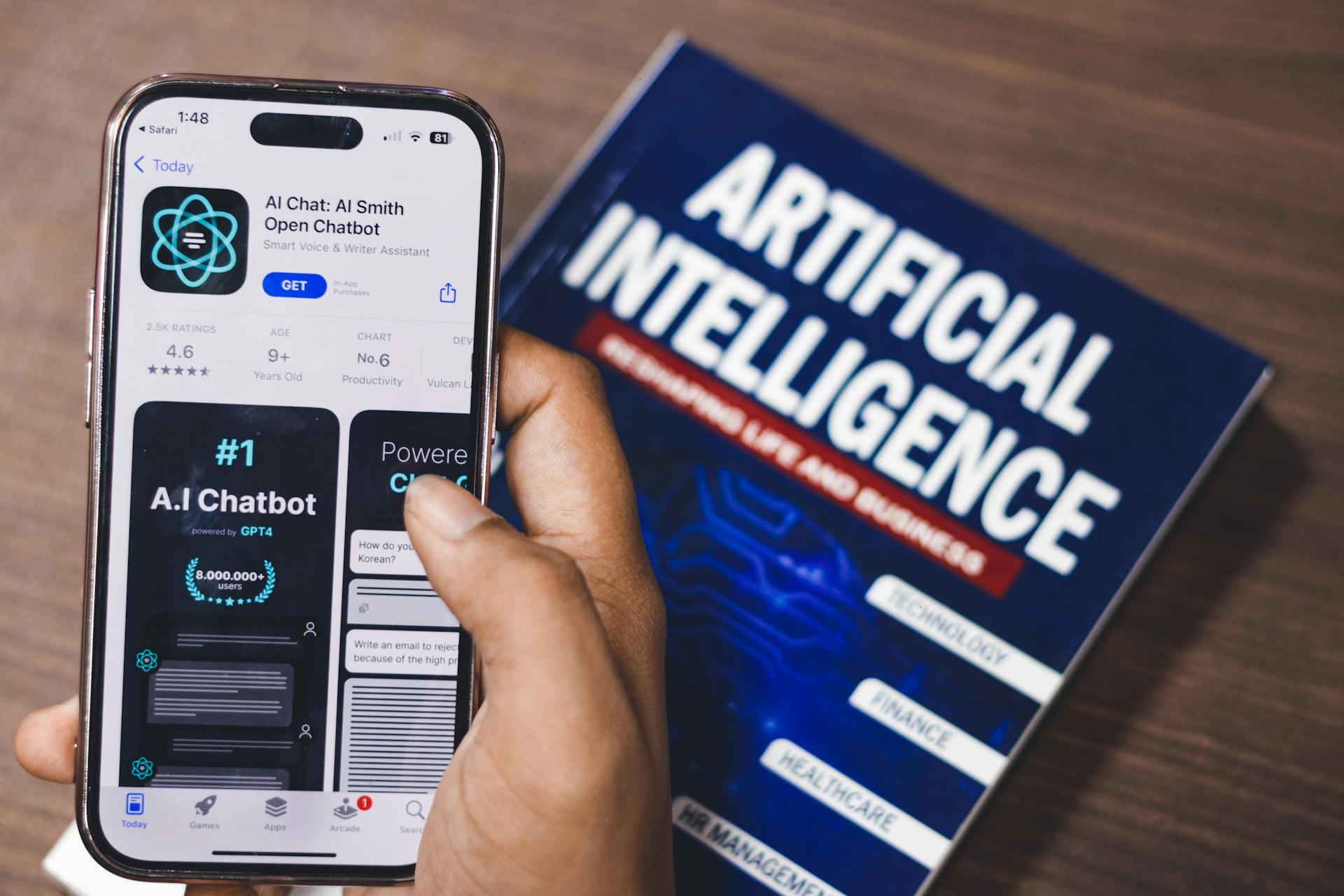
Understanding Conversational AI Chatbots
At their core, conversational AI chatbots are software agents designed to interact with humans via natural language, either written or spoken. Behind the scenes, they rely on complex machine learning models—primarily large language models (LLMs)—that can generate text responses, answer questions, or help with tasks.
Key Components:
- Language Model: The brain that understands and generates human-like text. For example, OpenAI’s GPT series or Google’s Pathways Language Model (PaLM).
- Dialogue Management: Keeps track of conversation flow, context, and user intent.
- Training Data: The quality and diversity of data shape how well the model understands nuance, slang, or domain-specific language.
When integrated with APIs and platforms, chatbots become personalized assistants, customer service reps, or shopping helpers.
The Latest Trends Boosting Chatbot Friendliness and Usefulness
Warmer, More Relatable Personas
OpenAI’s newest ChatGPT versions have been engineered to sound warmer and more emotionally intelligent. According to Fidji Simo, OpenAI’s CEO of applications, the aim is for ChatGPT to “feel like yours,” adapting to a user’s style and needs. Studies in partnership with MIT Media Lab showed many users treat ChatGPT as a friend—a sign that enhanced conversation quality can encourage more sincere user engagement.
This emotional awareness isn’t just fluff: it allows chatbots to better support users in stressful or difficult situations, providing comfort and useful advice.
Shopping Assistance with Agentic AI
On the commerce side, firms like Albertsons have launched AI chatbots powered by Google Cloud’s Vertex AI. Their “Ask AI” shopping assistant moves beyond standard keyword search, helping shoppers plan meals, discover new products, and get personalized recommendations—even for unexpected item pairings.
Rather than simply returning product lists, these bots act agentically: proactively suggesting and facilitating choices, making the digital shopping experience more human-like and efficient.
Speaking Style Matters: Formality Affects Accuracy
Interestingly, research highlighted in New Scientist points out that chatbots tend to perform best when addressed with relatively formal, clear language. Informality, slang, or terse phrasing can confuse intent interpretors, causing less accurate responses.
One approach researchers took was to rewrite terse or informal user inputs into polished prose before feeding them into AI models (like the Mistral 7B). Fine-tuning on such cleaned-up inputs improves accuracy, though this obviously isn’t always practical in casual conversations.
Bottom line: If you want your chatbot to really understand you, taking a bit of care with phrasing doesn’t hurt. Conversely, chatbot developers are actively working to make their models more tolerant of informal or conversational styles, bridging this linguistic gap.
What Should You Look for in the Best Conversational AI Chatbot?
1. Natural, Engaging Interactions
You want a chatbot that “feels human” enough to keep conversations flowing naturally, not a robotic Q&A machine. Warmth, personality, and emotional awareness all contribute to better experience.
2. Contextual Understanding and Memory
Good chatbots recall previous parts of the conversation to avoid repetitive or irrelevant answers. This context retention makes dialogues coherent and user-friendly.
3. Domain Expertise or Customization
Depending on use cases, a chatbot may need specialized knowledge. For example, Albertsons’ shopping assistant is tailored to retail and grocery contexts, while generalist bots like ChatGPT handle wide-ranging topics.
The ability to fine-tune or customize chatbots for your domain often differentiates good from great AI assistants.
4. Multimodal Capabilities (if needed)
Some advanced chatbots accept not just text but images or voice, expanding interaction possibilities—for example, helping visually impaired users or analyzing photos.
5. Robustness Against Ambiguity and Informality
Since users don’t always communicate clearly, chatbots need strong intent recognition and error handling.
6. Ethical Considerations and Safety
Respecting user privacy, minimizing bias, and preventing misuse are crucial checks. Transparent design and safety guards help maintain trust.
Comparing Popular Chatbots: Strengths and Trade-Offs
| Chatbot | Strengths | Limitations |
|---|---|---|
| ChatGPT (OpenAI) | Warm, conversational style; generalist; strong language generation | Can sometimes hallucinate facts; formal language works best presently |
| Google Agentic AI (Albertsons) | Shopper-focused, proactive recommendations, integrated in retail apps | Specialized use case limits generality |
| Claude AI | Focus on nuanced understanding and safer responses | Less widespread than GPT; newer in ecosystem |
When selecting or building chatbots, consider your use case: for casual conversation, a model with emotional intelligence and open-domain prowess (like ChatGPT) shines; for transactional tasks such as shopping, an agentic AI that understands commerce deeply is ideal.
Practical Tips for Using and Building Top-Tier Chatbots
- Be mindful of your phrasing: Clear, slightly formal language can boost response accuracy.
- Leverage fine-tuning and prompt engineering: Tailor the chatbot to your domain or style.
- Employ context windows: Use context-saving techniques to maintain conversation flow.
- Integrate multimodal inputs if relevant: Voice and images enhance accessibility.
- Stay updated on latest model APIs and frameworks: AI evolves fast; use newest versions for best results.
- Prioritize user data privacy and ethical AI practices.
Wrapping Up
The best conversational AI chatbot blends advanced language understanding with emotional sensitivity, domain expertise, and practical interactivity. Whether you’re chatting for companionship, shopping assistance, or customer support, today’s AI can deliver surprisingly human-like experiences—but only if designed and used thoughtfully.
Keep an eye on ongoing improvements, especially around handling informal speech and proactive agentic capabilities, as these will shape the next wave of AI assistants.
If you’re building or choosing a chatbot, start with your key goals, then evaluate solutions on warmth, accuracy, context handling, and domain fit. That’s the surest recipe for finding the best conversational AI for your needs.
Happy chatbot chatting!